Work › Public Space As Generator of Social Well-Being
Public Space As Generator of Social Well-Being
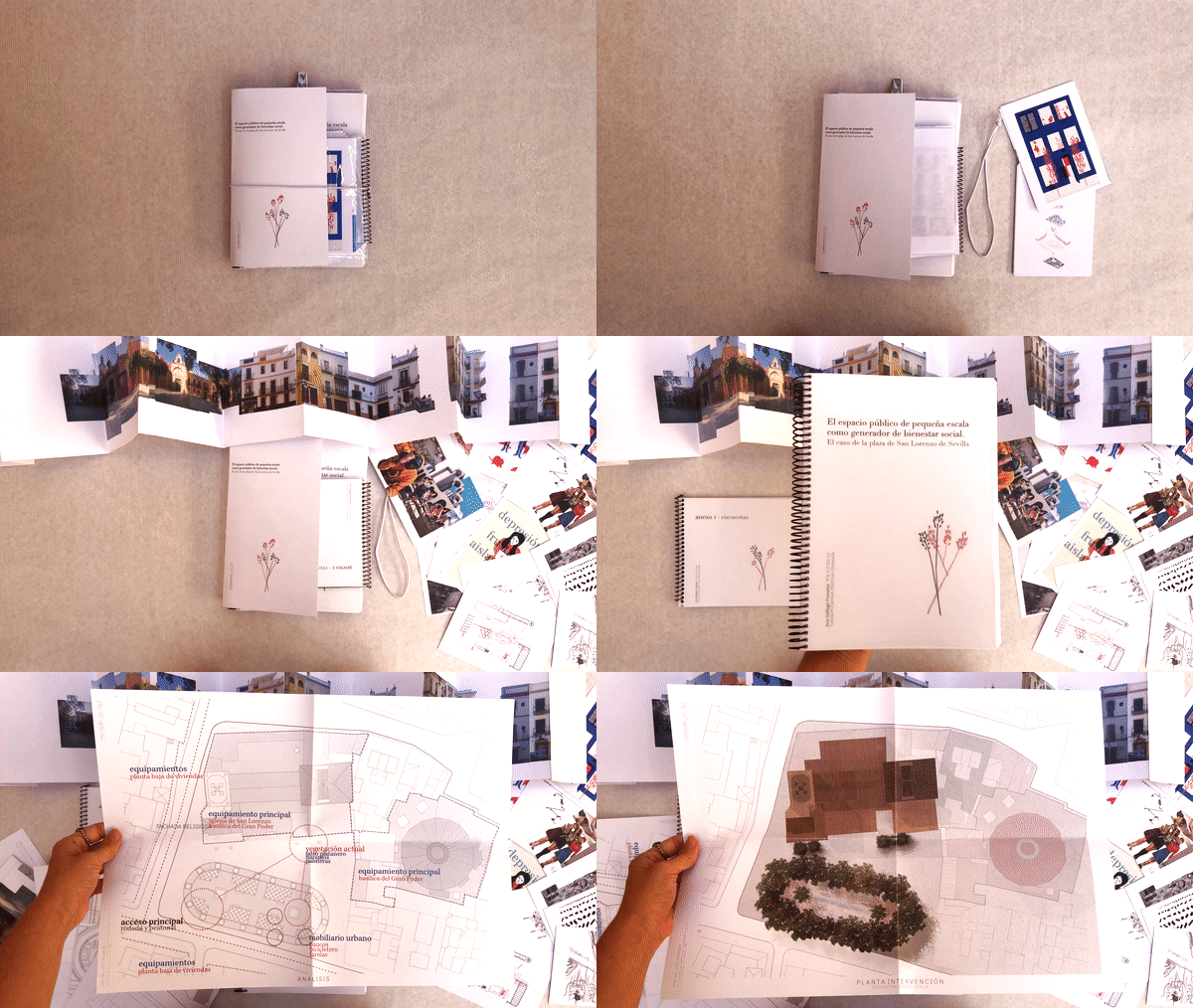
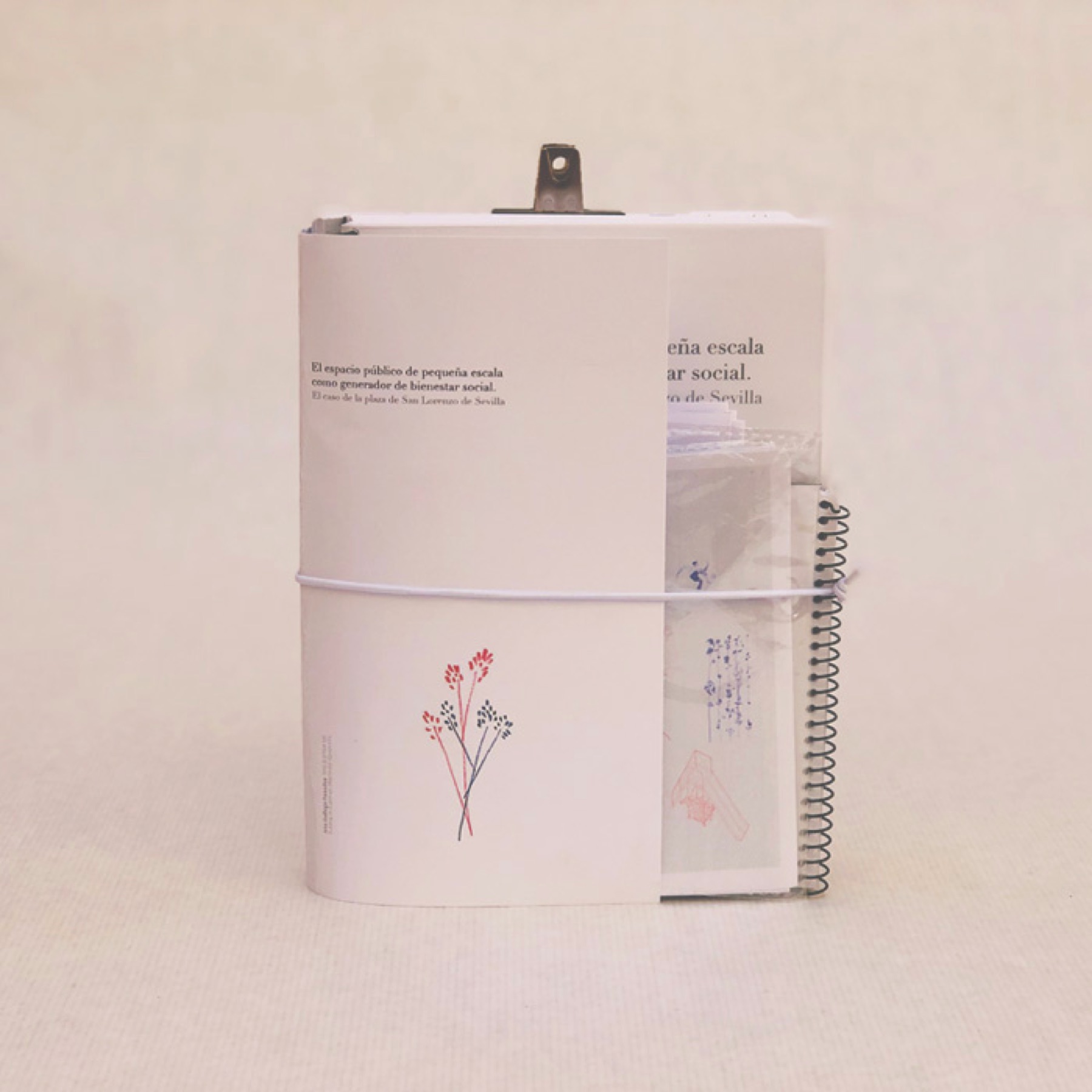
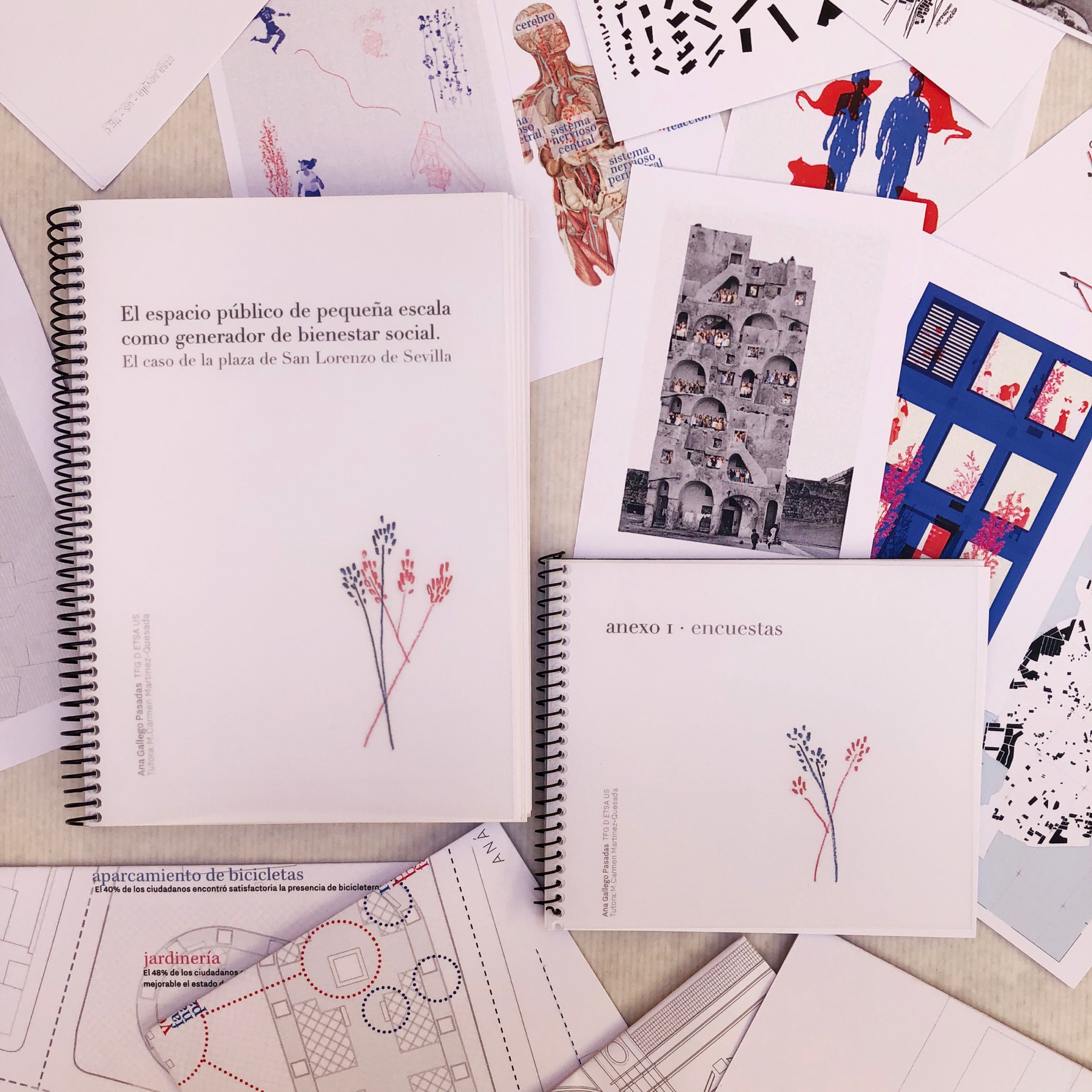
Degree thesis: Small-scale public space as a generator of social well-being, selected by the New European Bauhaus and LINA - European architecture platform, which recognises 25 emerging thinkers in Europe (2022).
Would you like to teleport or not? Most pedestrians and cyclists have a similar answer: NO, thanks!1 This shared reaction says something important: what is enjoyed (or avoided) is not only the mode of transport, but also the experience of moving through space: surroundings, and a sense of safety, comfort, beauty and social connection.
Public Space as a Generator of Social Well-Being explores how public space design can influence mental and physical health by asking a simple question: Is it possible to rethink design so that public spaces improve quality of life for all citizens?
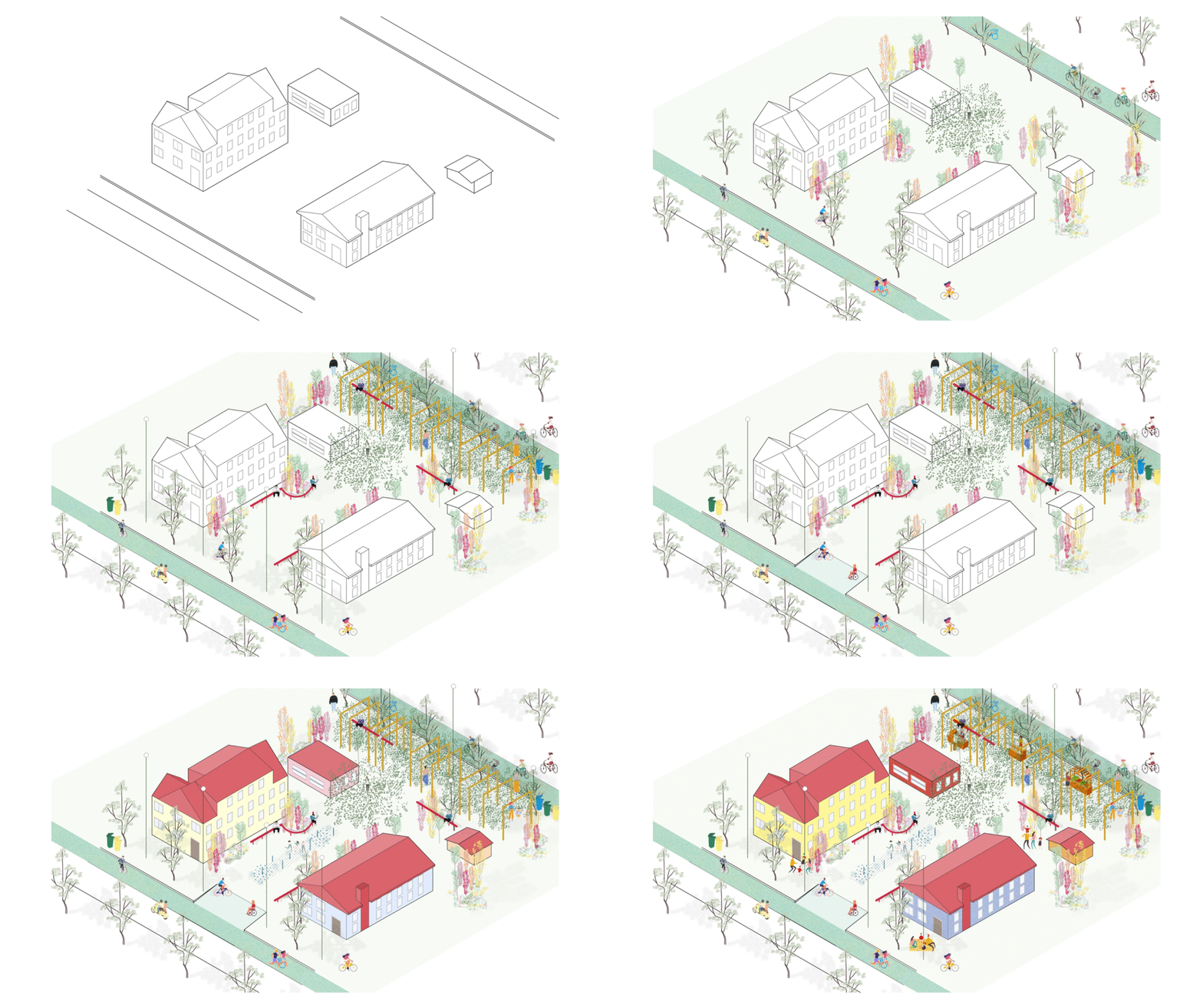
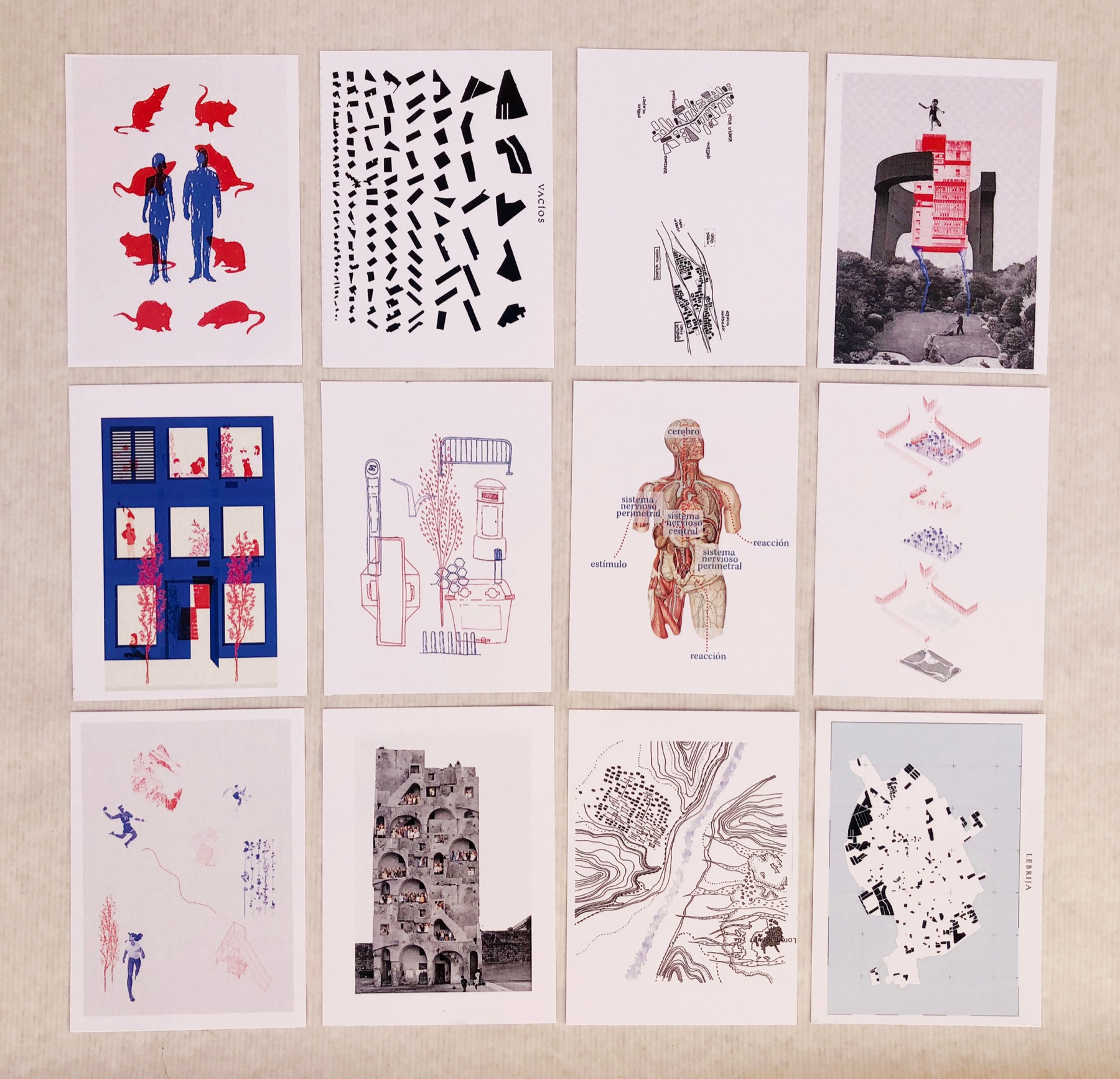
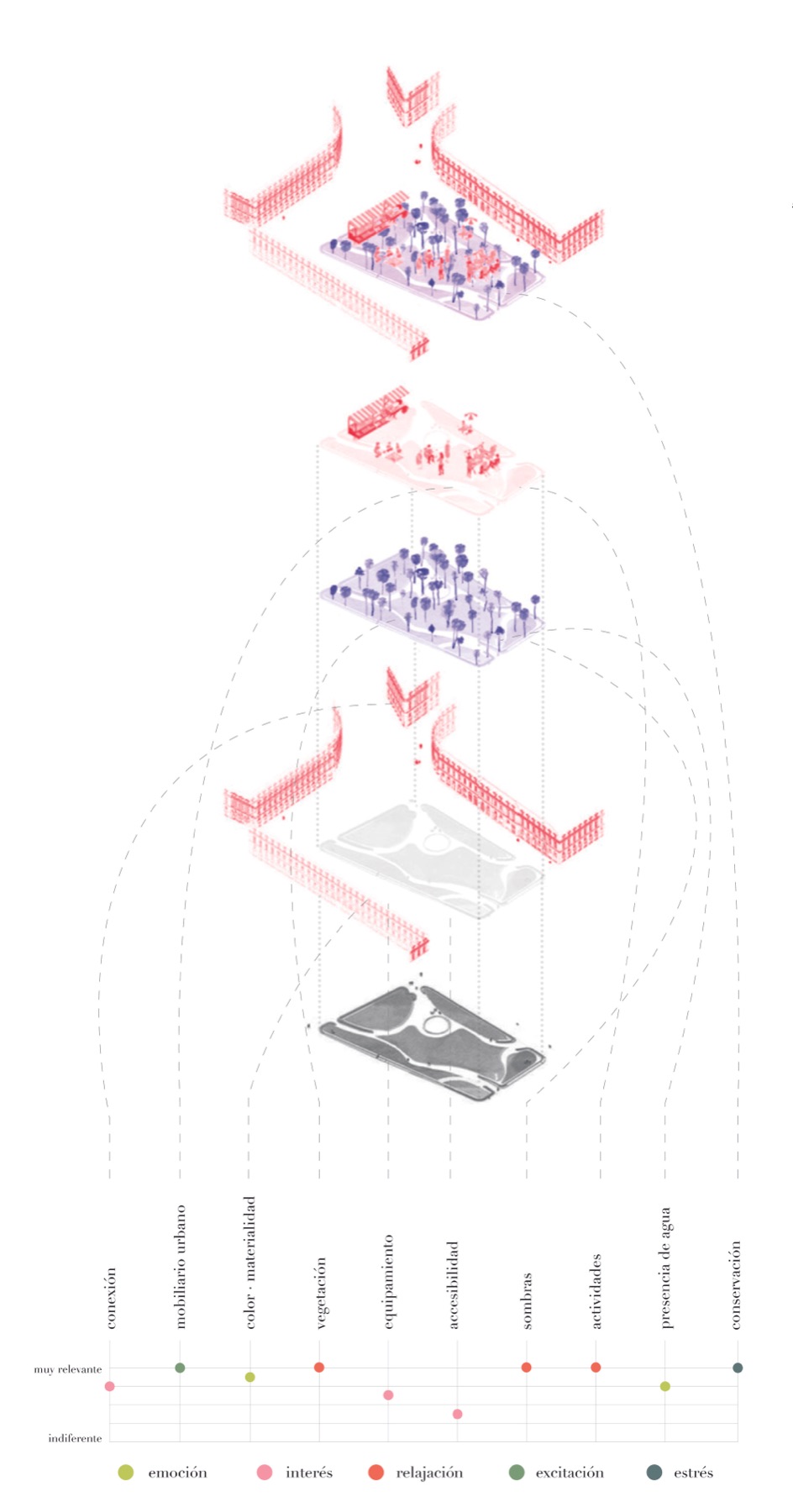
Combining architecture, neuroscience and salutogenesis, the research is translated into concrete design elements that reduce stress, support connection, and make everyday urban life healthier. The project brings together literature review and fieldwork (surveys and on-site analysis) applied to a small-scale public space, because these “everyday” places are the ones used the most, and where design can have immediate impact.
- Year
- 2022
- Type
- RESEARCH
- Topics
- Research, Neuroarchitecture, Urban perception, Editorial
- Recognition
- New European Bauhaus, selected work (2022), “Visions of the Future” category. Selection ↗
LINA - European architecture platform, Fellow (25 emerging thinkers in architecture and urbanism in Europe) - Credits
- Degree thesis, Bachelor's Degree in Architecture and Urbanism, Escuela Técnica Superior de Arquitectura de Sevilla. Grade: Excellent.
New European Bauhaus – Selected work
LINA - European architecture platform, Fellow 2022
Spain Outlines Its Strategies to Carve Out a Place in the New European Bauhaus
Role: Author